
Did you know that Brazil is investing BRL 546.7 billion in precision agriculture by 2026? That's a game-changer! Precision agriculture, particularly through the use of agricultural drones, is transforming Brazilian farms in incredible ways. This isn't just about adopting new technology; it’s about revolutionizing how we think about farming, sustainability, and economic growth.
With a whopping BRL 507 billion allocated for industrial financing, including drones and agricultural machinery, Brazil is gearing up to boost the efficiency of its agricultural sector. By 2026, the goal is to enhance the technological capabilities of family farms to 43%, aiming for a staggering 66% by 2033. Imagine the impact this could have! For context, the value added by the agro-industry could jump as much as 3% annually between 2024 and 2026!
This article dives into how drone technology is not only optimizing crop monitoring and spraying but also driving sustainable farming practices across the country. For instance, experts from Embrapa highlight that drones can cover up to 100 hectares per day, significantly reducing costs while maximizing efficiency. Plus, with predictions of Brazil's agricultural production soaring to 569 million tons by 2034, the future of agriculture is looking bright! So, let’s explore how precision agriculture and drones are changing the game for farmers in Brazil.
What is Precision Agriculture?
Precision agriculture is a modern farming approach that uses technology to enhance farming efficiency and sustainability. It’s like giving your crops a check-up with high-tech tools! With the help of agricultural drones and advanced data analysis, farmers can monitor their fields in real-time and make more informed decisions, ultimately boosting productivity and reducing waste.
So why is precision agriculture such a big deal? According to Embrapa, this innovative method allows for precise crop monitoring and targeted crop spraying, which can save up to 80% on pesticides. Imagine that! Instead of spraying an entire field, drones can identify specific areas that need attention and deliver just what’s needed. This not only helps the environment but also cuts costs for farmers.
Now, let's talk about technology! With a whopping investment of BRL 546.7 billion allocated to precision agriculture initiatives in Brazil by 2026, the future looks bright! This investment aims to enhance the technology used in family farming to reach a level of 43% by 2026 and 66% by 2033. That’s a significant jump from where we are today! The goal is to elevate the gross domestic product (GDP) of the agro-industry by as much as 3% annually between 2024 and 2026, and then 6% annually from 2027 to 2033, all thanks to precision agriculture techniques.
Data analysis plays a crucial role in modern agriculture. With the help of GPS technology and sensors, farmers can collect and analyze vast amounts of data to make better decisions about their crops. For instance, researchers at Embrapa report that drones equipped with multi-spectral sensors can identify pests and nutrient deficiencies in the soil. This data helps farmers to apply the right amount of fertilizers and pesticides, which not only keeps costs down but also promotes sustainable farming practices.
Here’s a tip from my own experience: if you’re considering using drone technology for your farm, start small. Test out a few fields before going all-in! This will help you understand the specific needs of your crops and how best to utilize this technology. Analyzing data from your initial trials can give you the insights you need to scale up successfully!
And let’s not forget the economic impact. The Brazilian agricultural drone market is expected to explode! Between 2018 and 2025, the number of agricultural drones in Brazil grew by an incredible 9,900%, reaching 35,000 units in operation. By 2026, that number is projected to hit 50,000! This boom will create thousands of jobs and boost agricultural productivity significantly.
In summary, precision agriculture is transforming Brazilian farms into high-tech powerhouses! With the integration of drone technology and data analysis, farmers are better equipped to face the challenges of modern agriculture while promoting sustainability. So if you’re in the farming game, consider jumping on the precision agriculture bandwagon—it’s a smart move for the future!
How Are Drones Used in Brazilian Farming?
Drones are transforming Brazilian farming in some pretty impressive ways! They’re not just high-tech gadgets; they’re practical tools that help farmers monitor crop health, spray pesticides accurately, and collect valuable data in real-time. Let’s dive into how these flying wonders are making a big impact on the field!
1. Crop Monitoring and Soil Conditions
First up, let’s talk about crop monitoring. Drones equipped with multispectral sensors can scan fields quickly, identifying issues like pest infestations or nutrient deficiencies. According to Embrapa, these drones can cover up to 100 hectares in a single day at costs ranging from BRL 100 to BRL 400 per hectare! That’s a huge time-saver compared to traditional methods.
What’s even cooler is that drones can assess soil conditions from above. They collect data about humidity levels, soil texture, and even temperature variations. This real-time information helps farmers make quick decisions to optimize their yields. And the best part? They can do it all without stepping foot in the field!
2. Precision Spraying Techniques
Next, we can’t forget about precision spraying. Traditional spraying methods often lead to chemical overuse, which can harm the environment and farmers’ wallets. Drones, however, allow for targeted spraying, significantly reducing the amount of pesticides needed. The Sociedade Nacional de Agricultura estimates this can lead to cost savings of up to 80% on pesticides by predicting problems before they escalate!
This method is especially useful in Brazil’s diverse topography, where uneven terrain can complicate spraying. With drones, farmers can apply exactly what’s needed, right where it’s needed, without wasting resources. Pretty neat, right?
3. Real-Time Data Collection and Analysis
Finally, let’s discuss real-time data collection. Drones gather tons of information that farmers can analyze to improve their practices. For example, they can track growth patterns and monitor the health of crops over time. In 2024, the Brazilian agricultural sector is projected to produce a staggering 451 million tons of crops, a number that's set to rise by 26.3% by 2033. That’s a lot of data to process!
Farmers who leverage this data can make informed decisions about irrigation, planting schedules, and resource allocation. It’s like having a crystal ball for farming! The integration of drone technology not only enhances productivity but also aligns with the goals of sustainable farming.
In conclusion, drones are revolutionizing Brazilian agriculture by enabling precision agriculture practices that lead to more efficient and eco-friendly farming. With the backing of government initiatives and a growing market, I can't wait to see how these technologies continue to evolve! If you're a farmer or thinking about getting into agriculture, consider how drones could benefit your operations!
5 Benefits of Using Drones in Agriculture
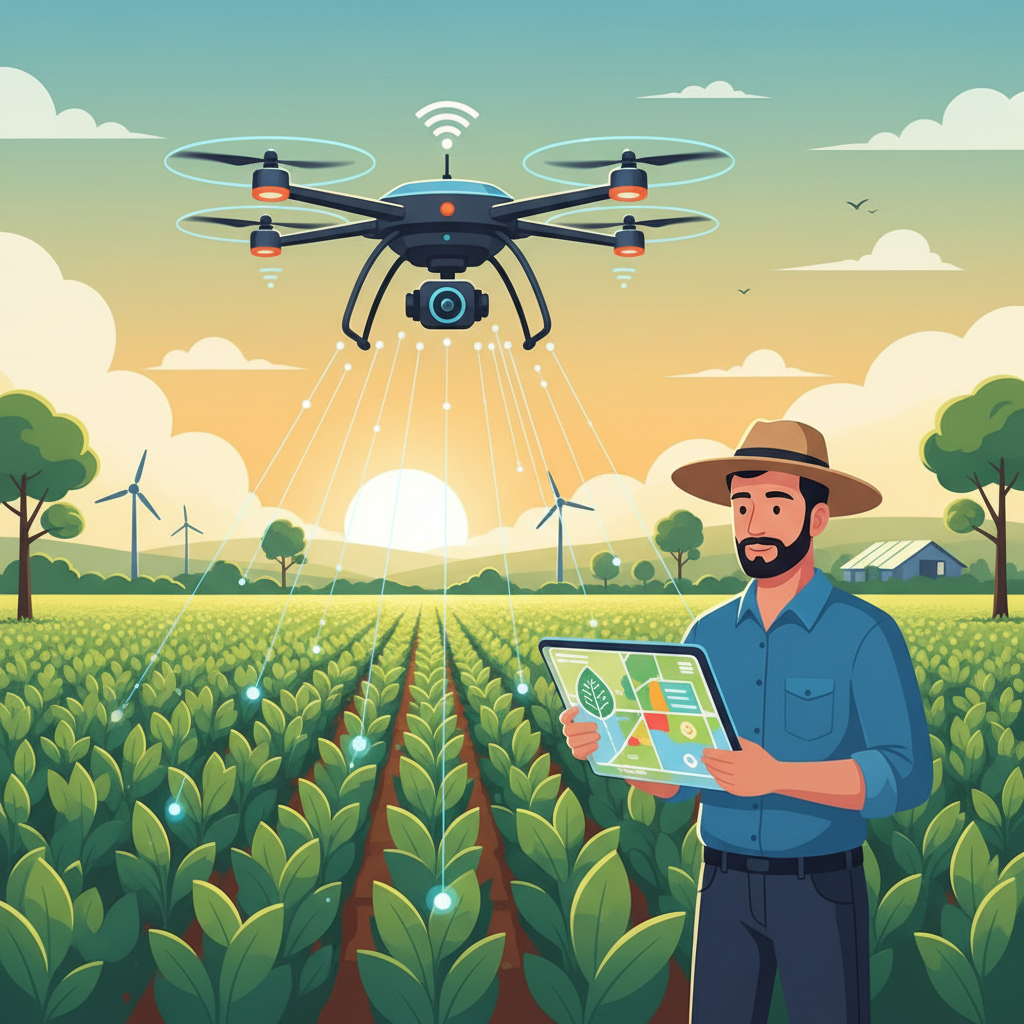
So, you might be wondering, what are the real benefits of using drones in agriculture? Well, let me tell you! Drones are changing the game for Brazilian farms, and they’re not just a cool gadget. Let's dive into five key benefits!
1. Cost Savings
Imagine reducing your chemical usage by up to 80%! That’s right! According to the Sociedade Nacional de Agricultura (SNA), drones allow farmers to apply pesticides and fertilizers more precisely. This not only cuts costs but also minimizes waste. That’s a win-win for both your wallet and the environment!
2. Increased Efficiency
Now, let’s talk about efficiency. Drones can cover up to 100 hectares a day. According to Embrapa, this capability means you can get more done in less time. Think about it: less time in the field means more time for you to focus on other important tasks on your farm!
3. Improved Crop Yields
One of the coolest benefits of drones is their ability to enhance crop yields. With precise monitoring, you can catch issues like nutrient deficiencies or pest infestations early on. Drones equipped with multispectral sensors can identify problems that you might miss while walking through the fields. This insight leads to better decision-making and ultimately healthier crops!
4. Enhanced Sustainability
Drones promote eco-friendly practices in agriculture. By spraying only where needed, they reduce excess chemical runoff, helping to protect the environment. Plus, with the rise of precision agriculture, we’re moving towards more sustainable farming methods. This aligns perfectly with Brazil's goal to boost agricultural technology investment, which aims for 43% tech adoption in family farming by 2026!
5. Better Decision-Making with Real-Time Data
With drones, you get real-time data that helps in making informed decisions. This is crucial, especially when weather conditions change or unexpected issues arise. Using data analysis from drone technology, farmers can tweak their irrigation and fertilization practices on the fly. It’s like having a crystal ball for your farm!
“Drones are not just a trend; they are a tool that can help farmers become more efficient, sustainable, and profitable.” - Expert from Embrapa
In conclusion, embracing drone technology in Brazilian agriculture can lead to significant cost savings, increased efficiency, improved crop yields, enhanced sustainability, and better decision-making. So, if you haven't considered incorporating drones into your farming practices yet, now might be the perfect time to take the plunge!
The Economic Impact of Drones in Agriculture
So, how are drones shaking things up in Brazilian agriculture? The economic impact is huge! By 2034, Brazil's agricultural production is projected to soar to 569 million tons, up from 451 million tons in 2023. That’s a whopping 26.3% increase in just ten years!
This growth isn’t just about numbers, though. It’s a game changer for the Brazilian agroindustrial sector. According to the Missão 1 da Nova Indústria Brasil (NIB), investments in precision agriculture, including drone technology, will hit BRL 546.7 billion by 2026. With these investments, we can expect the agroindustry's GDP to grow by up to 3% per year between 2024 and 2026, and then jump to 6% per year from 2027 to 2033!
But wait, there’s more! The rise of drones in agriculture is also creating a wave of job opportunities. In 2024, job creation in the industry surged by 146% compared to 2023. Notably, 28.8% of these new positions are going to young folks aged 18-24. This is great news for aspiring farmers who are tech-savvy and ready to embrace new innovations.
1. The Role of Drones in Job Creation
With the increasing adoption of drone technology, the need for skilled operators and tech support is skyrocketing. Drones are not just tools; they’re creating careers! As agriculture becomes more about precision and data analysis, young farmers have the chance to step into roles that didn’t even exist a decade ago.
2. Boosting Productivity
Drones are revolutionizing crop monitoring and spraying techniques. According to the Sociedade Nacional de Agricultura (SNA), farmers can save up to 80% on pesticides by using drones to identify issues before they escalate. Imagine the savings and the positive impact on the environment!
3. Future Growth Projections
The future looks bright for Brazilian agriculture with drones leading the way. As we move toward 2026, the area harvested is expected to increase from 114 million hectares to 129 million hectares, a 12.3% increase. This expansion is not just about more land; it’s about being smarter with how we use it!
In summary, the economic impact of drones in agriculture is profound, supporting not only productivity and sustainable farming practices but also creating opportunities for new generations in the field. The tech is here to stay, and it’s reshaping the landscape of Brazilian farms for the better!
Challenges and Considerations
While the rise of precision agriculture and agricultural drones in Brazil is exciting, it doesn't come without its challenges. From the need for farmer training to regulatory hurdles and data privacy concerns, there’s a lot to unpack here! Let’s dive into these issues and see how we can address them effectively.
1. Training Farmers to Operate Drone Technology
First off, let's talk about training. Farmers need to be comfortable with drone technology to fully reap its benefits. According to Embrapa, drones can cover up to 100 hectares a day for crop spraying at costs ranging from BRL 100 to BRL 400 per hectare. That’s a lot of ground to cover, but if the farmers aren’t trained, it can all go to waste!
To tackle this, initiatives could be put in place to provide hands-on workshops. Farmers should learn not just how to fly drones, but also how to interpret the data they collect. This is crucial because proper data analysis can lead to improved crop monitoring and better decision-making. Investing in training will pay off in the long run!
2. Regulatory Hurdles in Drone Usage
Next up, we have regulatory hurdles. The Brazilian government has set up various rules for drone usage, which can sometimes be confusing. For example, there are restrictions on where and when drones can fly, especially in areas near airports or urban settings.
It’s essential for farmers to stay updated on these regulations to avoid fines or accidents. I recommend checking out the National Civil Aviation Agency (ANAC) guidelines for the latest info. Engaging with local agricultural cooperatives or associations can also be helpful! They often have resources or can provide guidance on navigating these regulations.
3. Ensuring Data Privacy and Security
Finally, let's not forget about data privacy and security. With the integration of drone technology comes an increased risk of data breaches. Information about crop health, pest conditions, and even farm layouts can be sensitive. According to studies, a lack of proper data management can expose farmers to risks, including corporate espionage.
Farmers should implement strong data security measures. This can include using encrypted data storage and ensuring that only authorized personnel have access to sensitive information. It’s also wise to consult with cybersecurity experts who can guide them on best practices.
In conclusion, while the challenges of integrating drone technology into Brazilian farms are real, they are not insurmountable. With the right training, awareness of regulations, and data security measures, farmers can harness the power of agricultural drones for sustainable farming and economic growth. The future of agriculture is bright, and it’s exciting to think about where we’ll be in just a few years!
Future Trends in Precision Agriculture and Drones
So, what’s the future looking like for precision agriculture and drones in Brazil? Well, it’s shaping up to be pretty exciting! With advancements in artificial intelligence (AI) and machine learning, farmers are gearing up for smarter, more efficient farming practices that could truly revolutionize the agricultural landscape.
First off, let’s talk about AI. Imagine drones equipped with cutting-edge AI algorithms analyzing data in real-time! According to Forbes Agro, the global agricultural drone market is projected to hit US$ 17.5 billion, with Brazil leading the charge in resource efficiency and cost reduction. That means our farmers will be able to monitor crops, assess soil health, and identify pests straight from the sky without breaking the bank!
1. AI and Machine Learning in Agriculture
With AI and machine learning, Brazilian farms can expect to see a major boost in productivity. Drones, combined with sensors, can identify crop health issues early, allowing for timely interventions. For example, drones can save up to 80% on pesticide use by pinpointing precisely where problems are, thanks to tech from the Sociedade Nacional de Agricultura (SNA).
2. Drones in Remote Areas
Now, let’s not forget about remote areas! Drones are becoming vital for farmers in the Amazon and beyond. They’re not just for the big players; smallholders are getting in on the action too. For instance, in some areas of the Amazon, drones have been used for targeted spraying in hard-to-reach terrains, making farming safer and more efficient. The Gohobby and DJI Agriculture collaboration is a perfect example of how drone technology is enhancing crop monitoring and management in challenging conditions.
3. Investment and Innovation
Looking ahead, the investment landscape for precision agriculture is booming. The Nova Indústria Brasil (NIB) plans to pump BRL 546.7 billion into agriculture by 2026, which includes a focus on drone technology! This investment could help increase the adoption of tech in family agriculture from less than 43% now to 66% by 2033.
Furthermore, the industrial growth rate is climbing, with a reported 3.1% boost in 2024, largely driven by machinery and equipment, including drones. This is not just about numbers; it’s about creating jobs and fostering innovation in rural areas. In fact, job creation in the industry shot up 146% in 2024 compared to 2023, which is fantastic news for young people entering the workforce!
These trends tell us that the future of precision agriculture in Brazil is bright. With drone technology continuing to advance, we can expect agricultural practices to become more sustainable and economically viable. This is a game-changer for farmers who want to maximize their yield while minimizing waste. So, whether you’re just starting out or an experienced farmer, keep an eye on these trends! Embracing technology now will set you up for success in the future!
How Can Farmers Get Started with Drones?
If you’re a farmer looking to jump into the world of agricultural drones, you’re in for an exciting ride! Drones can drastically improve crop monitoring, optimize crop spraying, and help you manage your land more sustainably. So, let’s dive into how you can get started with this amazing technology.
1. Research and Select the Right Drone
The first step is to do your homework on the types of drones available. There are many options out there, each suited for different tasks. According to Embrapa, drones equipped with multiespectral sensors can analyze your fields for crop health, while others focus on crop spraying.
Start by looking at what you need. Are you interested primarily in crop monitoring or in using drones for precision crop spraying? Based on your needs, you can narrow down your options. And don’t forget to check out reviews and user experiences. There’s a wealth of information out there that can guide your decision!
2. Importance of Training and Certifications
Next up, let’s talk about training! Just owning a drone doesn’t mean you’re ready to go. In fact, getting trained is crucial. You’ll want to understand how to operate the drone safely and efficiently. There are several institutions in Brazil offering courses on drone operation and agricultural applications.
For example, many courses cover the legal requirements of operating drones in Brazilian airspace. Some even provide certification, which can be super helpful if you plan to offer drone services to other farmers! According to Forbes Agro, proper training can significantly enhance your drone’s economic impact on your farming operations.
3. Accessing Funding and Technology Resources
Now, let’s talk money. Investing in drone technology can be costly, but there are resources available to assist you. The Brazilian government has allocated a whopping BRL 507 billion for industrial financing until 2026, focusing on technologies like drones! This funding is part of the Plan Mais Produção that aims to boost sustainable agriculture in Brazil.
Check local agricultural associations or government programs for grants and funding opportunities. They often have resources that can help you acquire the necessary technology without breaking the bank. Plus, don’t forget to connect with local tech firms specializing in drone technology; they may offer rental options, which can be a less expensive way to get started!
In summary, beginning your drone journey involves a clear plan. Researching the right drone, getting proper training, and seeking out funding are crucial steps. With the right approach, you can join the wave of farmers leveraging agricultural drones to revolutionize Brazilian farms!
Conclusion
In conclusion, precision agriculture is not just a trend; it’s a revolutionary shift that’s transforming Brazilian farms! With an investment of BRL 546.7 billion aimed at enhancing agricultural technology, including drones, the future of farming is here.
Imagine optimizing your crop monitoring and spraying processes while cutting costs by up to 80%! That’s the power of drone technology. As we’ve seen, using drones equipped with advanced sensors can significantly boost efficiency, allowing you to cover up to 100 hectares a day. This is especially crucial as we aim for a projected increase in agricultural output from 451 million tons in 2023 to 569 million tons by 2034!
But it’s not just about the technology; it’s also about your commitment to sustainable farming practices. By integrating drones into your operations, you're not only improving your bottom line but also contributing to environmental preservation. Keep in mind the importance of continuous learning and adaptation—getting the most out of these tools requires experimentation and understanding your specific agricultural needs.
So, are you ready to revolutionize your farming practices? Explore how drones can enhance your efficiency and productivity today! Let’s embrace this exciting future together!
Get the latest updates in your inbox
Subscribe to our newsletter and stay up to date with the latest innovations and technologies for agriculture.
We respect your privacy. Unsubscribe anytime.