
Did you know that the use of digital technologies can increase productivity by up to 30%? Let’s explore this transformation! Digital agriculture is not just a trend; it is a revolution that is changing the way we cultivate and manage our crops. With the emergence of tools such as crop monitoring and production management, farmers now have access to agricultural data that once seemed like a distant dream.
This rural digitalization is essential for the future of agribusiness. It is estimated that precision agriculture, which uses technologies such as GPS and sensors, can result in a reduction of production costs by up to 20% (Source: Embrapa). And more: the adoption of these innovations can lead to an increase of 15% to 25% in agricultural efficiency (Source: AgFunder). All of this while also addressing sustainability in the field, as technology helps to minimize waste of water and inputs!
In this article, I will show you how digital transformation is enabling producers to make more informed and precise decisions. We will discuss automation, agricultural robotics, and how these advancements impact daily life in the field. For those of you who want to stay updated and recognize the opportunities that technology offers, this reading will be a game changer! Oh, and if you haven't read it yet, don’t miss the tips on best solutions for mango and processing and ginning of cotton. So, let’s embark on this journey of transformation together!
What is Digital Agriculture?
Digital agriculture is a revolution that is transforming the way we cultivate and produce food. But what exactly does that mean? In simple terms, it is the application of digital technologies in the field to improve efficiency and productivity, all while seeking sustainability in the field!
Among the main technologies used, we have the Internet of Things (IoT) and big data. IoT allows agricultural equipment to be connected to the internet, enabling real-time monitoring of variables such as temperature, soil moisture, and plant health. Big data, on the other hand, collects and analyzes large amounts of agricultural data, facilitating strategic decision-making and optimizing production management. This translates into agricultural efficiency — and who doesn't want that, right?
1. Good Statistics
According to Embrapa, about 70% of rural producers already use some form of digital technology in their activities. This is a significant number, showing that digital transformation is indeed happening! Additionally, precision agriculture, a branch of digital agriculture, can increase productivity by up to 40%, according to studies by Agrosmart.
2. Impact on Brazilian Agribusiness
The impact is visible in several sectors. In Brazil, digital agriculture is not only helping to increase yields but also making agribusiness more competitive on the global stage. With the use of these technologies, farmers can respond more quickly to challenges such as pests and diseases, minimizing losses. And surely, the reduction of inputs means a more sustainable and less environmentally aggressive agriculture.
3. Paths to the Future
If you are in agribusiness, you cannot miss out on this! Take advantage of the opportunities that digital transformation brings. Not to mention, by adopting crop monitoring practices, you can improve agricultural performance and maximize your profits. How about starting by testing new technologies? A small investment in precision equipment can bring significant returns!
Therefore, do not underestimate the power of digital agriculture. To learn more about how different crops are benefiting from these innovations, check out our posts on Best Solutions for Mango and Grain Processing and Classification. Let’s work together to ensure the future of our fields!
How Does Digital Agriculture Work?
Did you know that digital agriculture is revolutionizing the way we cultivate? Indeed! The combination of technology and agricultural practices is transforming the field into a more efficient and sustainable place. Let’s understand how all of this works!
1. Integration of Devices and Applications
Digital agriculture starts with the integration of various devices, such as moisture sensors and weather stations. All these equipment communicate with each other via apps that collect and share information in real time. According to the FAO, digitalization in agribusiness can increase productivity by up to 30%! That's amazing, isn’t it?
A practical tip? Use management platforms that centralize data from multiple devices. This way, you will have an overview of your property and be able to make more informed decisions about your crop management. It’s like having a control panel in the palm of your hand!
2. Real-Time Data Analysis
After collection comes analysis! Data is processed and analyzed in real time, allowing farmers to adjust their strategies instantly. For example, if a sensor detects a drop in soil moisture, the farmer can immediately increase watering. According to researchers from Agriculture Systems Journal, about 80% of farmers using data analysis reported a significant increase in their operational efficiency.
Implementing agricultural management software can help interpret this data, generating reports that facilitate decision-making. The future of agribusiness is in the hands of those who know how to use technology to their advantage!
3. Use of Sensors and Drones
Sensors are the farmer's eyes in the field. They can measure everything from soil moisture to ambient temperature. Drones come to give a new dimension to crop monitoring. They can perform detailed mapping and help identify pests or diseases. Incredible, isn’t it?
A study by NASA revealed that the use of drones can increase efficiency in fertilizer application by up to 25%. Just think of how much time and resources that can save! So, if you want to optimize your production, don't hesitate to invest in this technology!
Moreover, the use of drones is not just about efficiency but also sustainability. By monitoring crops accurately, we know exactly where and when to act, avoiding waste and promoting a sustainability in the field.
In summary: integrating devices, analyzing data, and using tools like sensors and drones are fundamental steps to make the most of digital agriculture. If you're curious about other practices that can boost your production, check out our articles on Grain Processing and Classification and Agricultural Automation and Robotics: Automated Planting, Spraying, and Harvesting in Modern Agro. Let’s embark together on this journey of modernization!
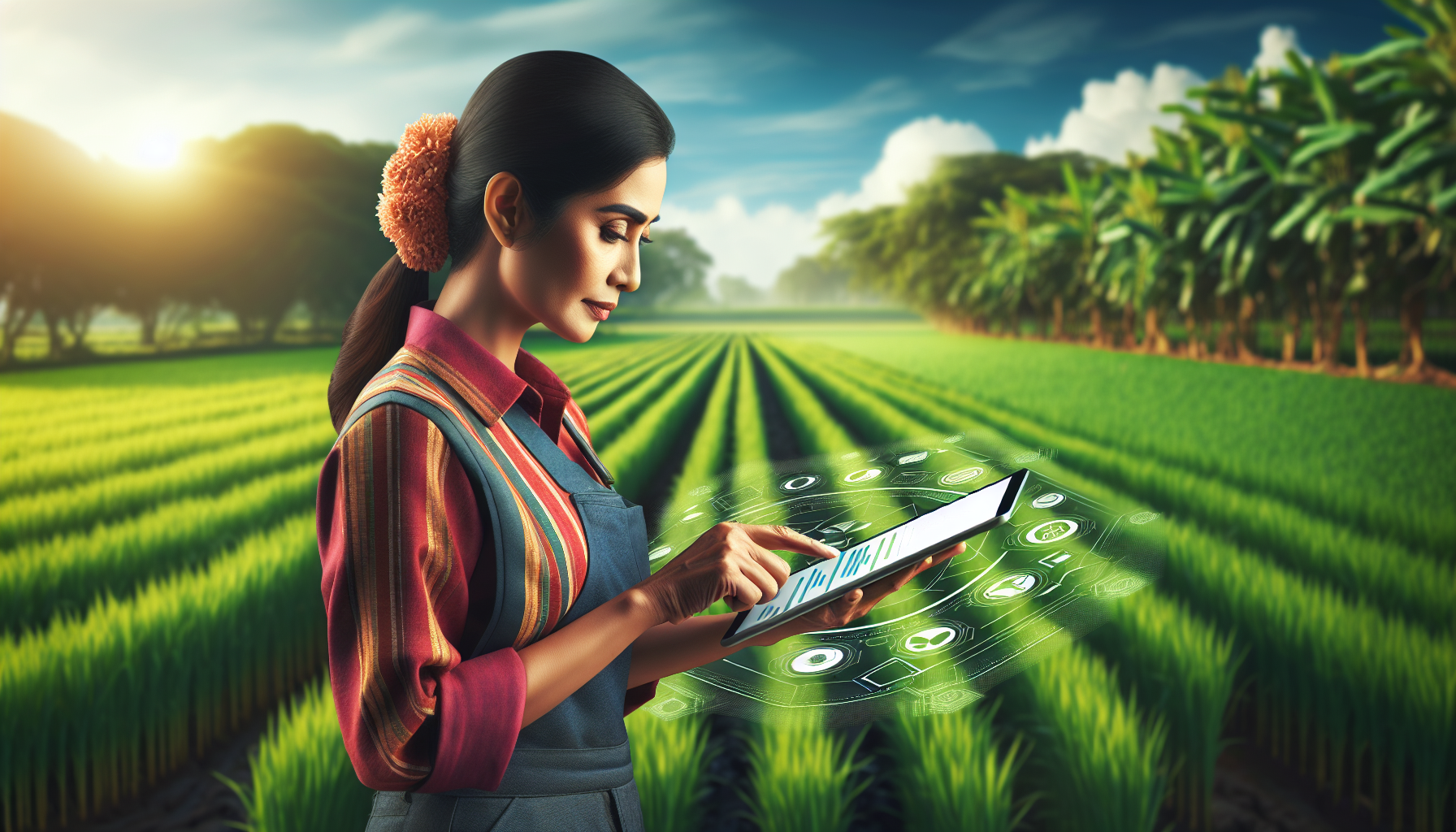
5 Benefits of Digital Agriculture
If you are not yet familiar with digital agriculture, you are missing a revolution in the field! With the advancement of technology, farmers are leveraging innovative resources to optimize their productions. Let’s take a look at five amazing benefits that digitalization can bring to agribusiness!
1. Increased Productivity
Digital agriculture can impressively increase productivity! According to a report by the FAO (Food and Agriculture Organization of the United Nations), precision agriculture can increase production by up to 20%! This happens because digital tools help to monitor and manage crops more effectively. Apps analyzing soil and weather data ensure optimized cultivation!
2. Reduction of Operational Costs
Another advantage is the reduction of operational costs. This is because with more precise monitoring, it is possible to avoid unnecessary expenses with inputs, transportation, and labor. By utilizing drones and sensors, a more targeted application of fertilizers and pesticides can be made, saving money!
3. Better Management of Water Resources
Water is a critical resource, and digitalization helps in its management! With smart irrigation systems, sensors can be used to monitor soil moisture in real-time. This way, production management becomes more sustainable! Additionally, according to Embrapa, using controlled irrigation can reduce water consumption by up to 50%. Seriously, that’s a significant savings!
4. Proactive Pest Diagnosis
No one likes to deal with pests, and predicting problems is always better than remedying them. Digital agriculture uses technologies such as satellite imagery and mobile apps to identify infestations early. This means that with proactive diagnostics, farmers can act quickly, minimizing damages and increasing agricultural efficiency!
5. Improved Decision-Making
Last but not least, digitalization allows for more informed decision-making. All this comes from the data collected in the field, which helps analyze trends in cultivation and crop performance. Having access to real-time information allows the producer to make quick and strategic decisions, creating a cycle of continuous improvements in the process. If you want to know more about how to improve your production, I recommend the article on Irish Potato: The Second Largest Vegetable in Brazil — Strategies for High Productivity!
Nowadays, advancements are many, and without a doubt, digital agriculture is a path of no return. We are in the midst of a digital transformation in the field that promises to bring even more opportunities in the future! Shall we follow this evolution together? Don’t forget to check out Grain Processing and Classification: The Key to Accessing Premium Markets and add even more value to your business!
Relevant Statistics on Digital Agriculture
If you haven't paid attention to digital agriculture, it's time to wake up! The sector is in full expansion and is transforming the way we cultivate and manage rural production. Let's talk a bit about the most relevant statistics that show this revolution in the field!
1. Growth of the Global Digital Agriculture Market
According to MarketsandMarkets, the global digital agriculture market is expected to grow from US$ 10.3 billion in 2020 to US$ 22 billion by 2025, with a compound annual growth rate (CAGR) of 16.2%! This reflects an increase in the adoption of technologies such as sensors, satellite imagery, and big data analysis to optimize production.
2. Use of Digital Technologies in Brazil
Now, specifically regarding Brazil, a survey conducted by the Brazilian Institute of Geography and Statistics (IBGE) revealed that about 31% of Brazilian farmers use some digital technology in their agricultural activities. This includes the use of management software, crop monitoring, and even drones for supervising crops!
3. Growth Expectations for the Sector
In the coming years, this adoption is expected to grow even more. According to Deloitte’s report, rural digitalization can increase agricultural efficiency by up to 30%, which may be the key to facing the challenges of climate change and the increasing demand for food worldwide. Moreover, the trend is that the use of precision technology becomes increasingly accessible to small and medium-sized producers.
In summary, these numbers do not lie! The digital transformation in agribusiness is not just an option, but a necessity to ensure sustainability and increase productivity. If you are a farmer, it’s time to invest in technology! Be sure to check out our posts on best solutions for mango and grain processing and classification to see how innovation can help you achieve better results.
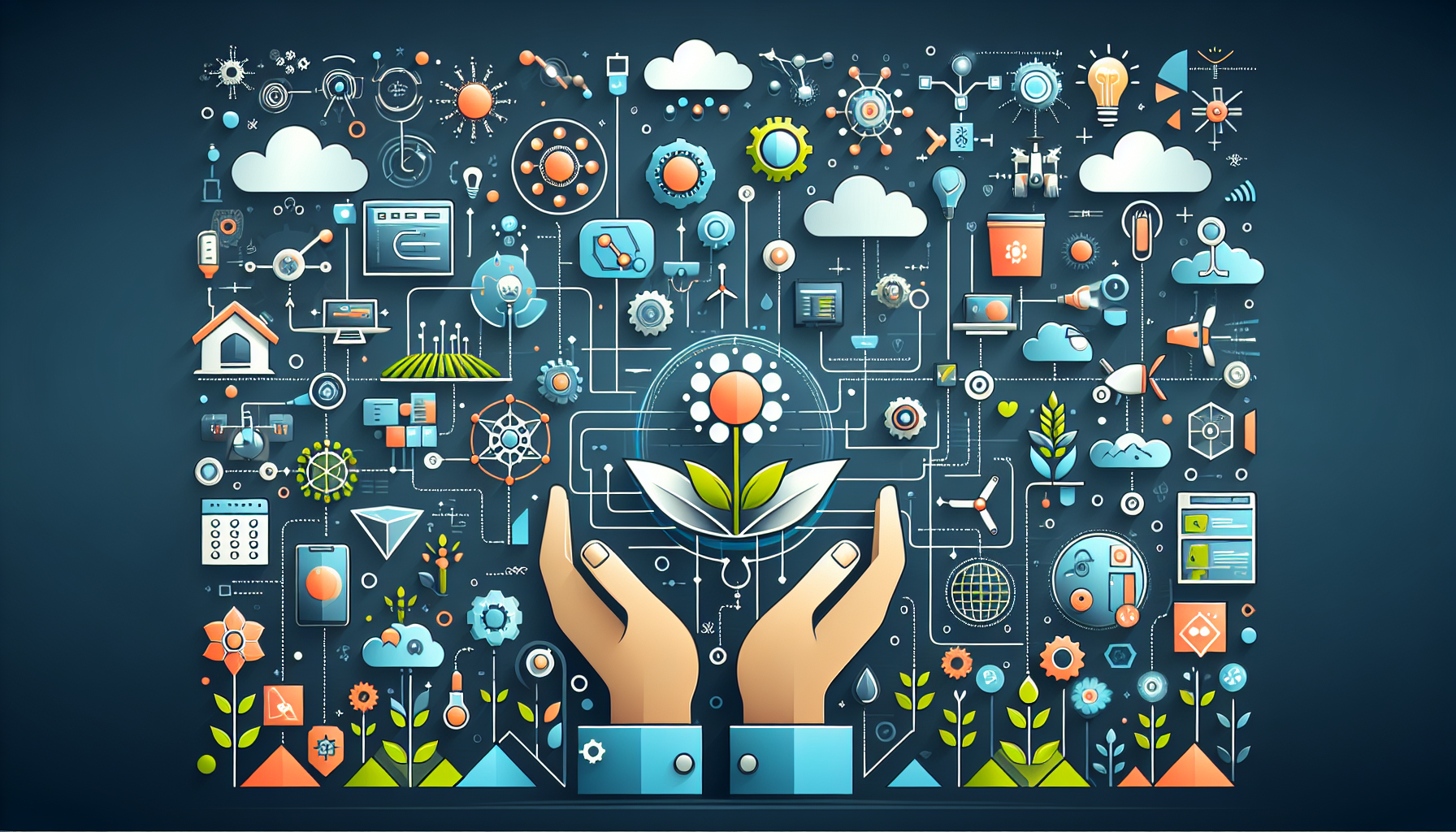
What Are the Challenges of Digital Agriculture?
Digital agriculture has incredible potential to revolutionize the field, but it also faces some significant challenges. Let’s take a look at them!
1. Low Adoption in Some Regions
One of the main challenges of digital agriculture is the low adoption of technologies in various regions of Brazil. Studies show that only 20% of farmers have access to digital tools that could facilitate the management of their crops (Source: Embrapa). This means that many small producers, especially in more remote rural areas, are missing out on valuable opportunities for agricultural efficiency and crop monitoring.
2. Need for Farmer Training
Digital inclusion is not just a matter of technology, but also of training. Many farmers simply do not know how to use these new tools. For instance, research indicates that around 70% of producers who have adopted precision agriculture feel they lack the adequate knowledge to maximize its use (Source: IBGE). This is concerning!
Therefore, investing in courses and training is fundamental. The government and class entities, such as Senar, are doing an excellent job offering these trainings. If you are a farmer, look for a nearby course and don’t let this opportunity pass!
3. Cost of Technology Implementation
Another critical point is the cost of technology implementation. The truth is that many effective digital agriculture solutions involve investments that can be high for small and medium farmers. For example, a complete production management and monitoring system can cost from BRL 50,000 to BRL 300,000, depending on the complexity (Source: Sebrae).
One option is to start with small innovations. Often, gradual adoption allows you to see results without needing a huge investment right away. Focus on low-cost technologies, such as smartphone apps that help with the management of your daily tasks. After all, every step counts, right?
Of course, the digital transformation in the field is a path full of challenges. But by facing them head-on, we can build a more sustainable and efficient future for all! And if you want to know more about practical solutions, don't forget to check our articles on Grain Processing and Classification and Agricultural Automation and Robotics. Shall we go together on this journey?
The Future of Digital Agriculture
Digital agriculture is changing the face of agribusiness! And when we talk about the future, emerging trends and innovations are at the forefront. Let’s explore how technology and public policies are shaping this scenario!
1. Emerging Trends
One of the major trends in digital agriculture is the use of precision agriculture. This means that we are applying inputs and techniques in a much more targeted way, according to the real needs of the crops. According to a study by Embrapa, adopting digital technologies can increase agricultural efficiency by up to 30%!
Additionally, sustainability has become a central focus. The pursuit of practices that respect the environment and promote soil health is non-negotiable. In the cultivation of bananas, for example, sustainable initiatives are enhancing the product's added value.
2. Innovations in the Use of AI and Machine Learning
Artificial intelligence and machine learning are booming in the field! Tools that utilize these resources allow for detailed analysis of agricultural data. This helps in crop forecasting, pest identification, and even monitoring weather conditions.
Recently, with the use of drones and sensors, it's possible to monitor crop health in real-time. With this data, the farmer can make informed decisions to optimize production management. To give you an idea, the Digital Agriculture Council estimates that monitoring technologies can reduce costs by up to 20%!
3. The Role of Public Policies in Encouraging Digitalization
Public policies are crucial for driving digital transformation in the field. Initiatives like the National Program for Strengthening Family Agriculture (Pronaf) have made resources and incentives available for small farmers to adopt digital technologies. Isn't that amazing?
Furthermore, the government has invested in programs aimed at training rural producers in the use of agricultural data and new technologies. Such actions help farmers to access premium markets, improving their income and ensuring more effective agricultural performance. If you’re looking to learn more about how to modernize, don’t forget to check our article on grain processing and classification!
So, digital agriculture is the future and is shaping the present. With technology on our side and public policies that encourage innovation in the field, the prospects become promising. Let’s follow this transformation together!
Conclusion
We are living in an incredible period in agriculture, where digital transformation is changing the way we work in the field. According to a study by McKinsey, rural digitalization can increase agricultural productivity by up to 30% by 2030. This is a figure that cannot be ignored!
Adopting technology in agriculture is not just a trend; it is a necessity. When we talk about agricultural efficiency and production management, precision agriculture becomes essential to maximize resources and ensure more robust harvests. After all, utilizing agricultural data to monitor crops and predict weather conditions is a smart way to prepare for the future of agribusiness.
Remember, sustainability in the field is directly linked to innovation. The more we invest in innovation in the field, the more we ensure that our practices are not only efficient but also responsible. That’s why it’s essential to stay attuned to the new tools and techniques that emerge in the market and how they can be integrated into your daily life.
If you are in the agricultural sector, don’t miss out! Start exploring digital technologies and boost your production! The future of agribusiness is in your hands!
Get the latest updates in your inbox
Subscribe to our newsletter and stay up to date with the latest innovations and technologies for agriculture.
We respect your privacy. Unsubscribe anytime.