
Did you know that tomatoes grown in greenhouses can increase productivity by up to 30%? This is a statistic that truly impresses and motivates many farmers to invest in climate-controlled greenhouse technology! In this article, we will explore the advantages and importance of this innovative method for protected tomato cultivation.
Agriculture faces the constant challenge of ensuring food security and sustainability. Tomato cultivation, in particular, has proven to be an essential activity, considering that Brazil is one of the world's largest producers of this vegetable. With the implementation of climate-controlled greenhouses, producers can control climatic factors, such as temperature and humidity, providing an ideal environment for the healthy growth of plants.
Recent data shows that, in addition to increasing productivity, the use of greenhouses can reduce the need for pesticides and optimize water use, representing a true innovation in cultivation. Have you ever thought about growing tasty tomatoes with impeccable quality while contributing to sustainability in agriculture? This is possible with the use of agricultural technology! We will also discuss the opportunities that arise for micro and small producers and local suppliers in this new scenario that is emerging.
Join our strategic actions to implement the best solutions in the Brazilian agricultural sector. Our activities, studies, and advanced research cover 20 chains and the 255 segments of the national agro — from grains to sustainable extractivism, passing through horticulture, fruit growing, livestock, and much more.
The Innovation for Brazil to Produce More series was developed precisely to identify and implement the best solutions available in Brazil and worldwide, across the 255 segments of the agricultural sector — with accessible technical language, updated data, and a focus on practical results for producers, suppliers, governments, and marketers.
Opportunities for Small Rural Producers
Climate-controlled greenhouses are revolutionizing the way small rural producers grow tomatoes! The agricultural technology applied in protected cultivation not only allows for increased productivity but also offers a series of other advantages that can transform the daily life of the farmer.
One of the main opportunities that greenhouses offer is the increase in productivity. According to data from the Brazilian Institute of Geography and Statistics (IBGE), protected tomato cultivation in greenhouses can yield up to 40% more compared to field cultivation. This happens because, inside the greenhouse, there is better climate control, avoiding losses due to adverse conditions.
Another factor that directly benefits small producers is the reduction of losses. With greenhouses, we can significantly reduce damage caused by pests and diseases. According to research from Embrapa, using protected cultivation techniques can reduce pest losses by up to 60%. This means more fruits for sale and fewer losses at the end of the month!
But it doesn't stop there! The quality of the fruit also improves significantly. Tomatoes grown in greenhouses tend to have a more intense color and superior flavor. This translates into more competitive products, as consumers are always looking for quality. According to the Brazilian Association of Horticulture, higher quality tomatoes can be sold at prices up to 30% higher in local markets.
Additionally, protected cultivation promotes sustainability in agriculture. Efficient irrigation and controlled input usage help minimize environmental impact. It’s a matter of social and environmental responsibility that consumers also value! For those thinking about diversifying their cultivation, [Best Solutions for Tomatoes](/blog/tomate) can be excellent reading!
Finally, a climate-controlled greenhouse is not just an investment in technology; it is also an opportunity for innovation in cultivation. When we talk about precision agriculture, we refer to a future where efficiency, productivity, and sustainability go hand in hand. So, if you are a small producer, don’t miss the chance to explore these technologies and reap the rewards of this investment!
Opportunities for Micro and Small Solution Providers for the Agricultural Sector
The advancement of protected cultivation, precision agriculture, and intensive production systems in Brazil opens a new cycle of opportunities for micro and small companies that supply technological, operational, and engineering solutions for the agricultural sector. More than producing food, modern agriculture demands efficiency, automation, traceability, sustainability, and data intelligence — creating a growing market for those who develop and implement specialized solutions.
Below are the main opportunities structured by strategic engineering areas, focusing on high-value-added products, services, systems, and business models.
1. Electrical Engineering and Computing
Energy and digital infrastructure for modern agriculture
Smart rural electrical distribution systems (panels, protection, automation)
Rural connectivity networks (long-range Wi-Fi, LoRaWAN, rural 4G/5G)
Digital agricultural management platforms (rural ERP, operational dashboards)
Development of software and applications for productive monitoring
Data storage and processing systems (edge computing in the field)
👉 Key opportunity: Providing infrastructure to transform rural properties into connected and real-time manageable environments.
2. Electronic Engineering and Internet of Things (IoT)
Sensing and intelligent monitoring
Environmental sensors (temperature, humidity, CO₂, light)
Soil sensors (moisture, pH, electrical conductivity, nutrients)
Smart weather stations
Embedded devices for data collection and transmission
Agricultural telemetry systems
👉 Key opportunity: Selling and integrating IoT kits for continuous monitoring of crops, greenhouses, and production systems.
3. Control and Automation Engineering
Automation of production processes
Automated irrigation and fertigation systems
Climate controllers for greenhouses (ventilation, cooling, heating)
Automation of pumps, valves, and hydraulic systems
PLCs and supervisory systems (SCADA) for agricultural operations
Integration of sensors with actuators in intelligent systems
👉 Key opportunity: Turnkey agricultural automation projects to increase productivity and reduce operational costs.
4. Mechatronics and Robotics Engineering
Intelligent mechanization and agricultural robotics
Robots for planting, harvesting, and handling
Drones for mapping, spraying, and monitoring
Automated equipment for sorting and packaging
Computer vision systems for crop inspection
Agricultural machines adapted for small and medium producers
👉 Key opportunity: Development or adaptation of accessible robotic solutions for small and medium producers.
5. Renewable Energy Engineering
Sustainability and energy autonomy in the field
Photovoltaic systems for water pumping and rural energy
Hybrid systems (solar + batteries + generators)
Energy efficiency solutions for agricultural properties
Automation of rural energy systems
Distributed micro-generation applied to agriculture
👉 Key opportunity: Integrated solar energy projects to productive systems (irrigation, greenhouses, refrigeration).
6. Data Science and Artificial Intelligence
Data-driven decision making and productive optimization
Predictive analysis platforms (weather, productivity, pests)
Recommendation systems for agricultural management
Machine learning models for input optimization
Computer vision for diagnosing diseases and pests
Digital twins of rural properties
👉 Key opportunity: Development of SaaS solutions and AI agents to increase efficiency and predictability in the field.
7. Machines, Equipment, and Technological Inputs
High-value-added physical solutions
Climate-controlled greenhouses and protected cultivation systems
Hydroponic and aquaponic systems
Smart irrigation equipment (drip, automated pivots)
Precision fertigation systems
Bioinputs, biological inputs, and sustainable solutions
Post-harvest equipment (cooling, sorting, packaging)
👉 Key opportunity: Marketing and integration of complete solutions (technology kits) for intensive production systems.
8. Digital Systems, Platforms, and Models
Digitalization of agriculture
Agricultural marketplaces (inputs, equipment, services)
Traceability and certification platforms (organic, ESG)
Rural financial and operational management systems
Mobile applications for producers
Integration with agricultural ERPs and CRMs
👉 Key opportunity: Creation of scalable digital products with a SaaS model for agriculture.
9. Specialized Engineering Services
High technical value and recurrence
Greenhouse installation and production system projects
Electrical, hydraulic, and structural rural projects
Consulting in agricultural automation and digitalization
Implementation of renewable energy systems
Specialized technical maintenance services
Integration of technologies (IoT + automation + AI)
👉 Key opportunity: Local companies can act as integrators of solutions, connecting global technology with practical application in the field.
10. New Business Models for Agriculture
Scale and recurrence for small businesses
“Farming as a Service” (infrastructure + operation)
“Irrigation as a service” (monthly subscription)
Remote monitoring by subscription (IoT + AI)
Rental of smart agricultural equipment
Sale of complete solutions (hardware + software + support)
Franchises and rural technology hubs
👉 Key opportunity: Transforming products into recurring services, increasing revenue predictability.
Strategic Conclusion
Brazilian agriculture is undergoing a structural transformation based on technology, data, and operational efficiency. This opens up space for a new generation of highly specialized micro and small companies capable of providing integrated and high-value-added solutions.
More than selling products, the future lies in delivering complete solutions, combining engineering, technology, and intelligent business models.
Join our strategic actions to implement the best solutions in the Brazilian agricultural sector. Our activities, studies, and advanced research cover 20 chains and the 255 segments of the national agro — from primary production to agro-industry, focusing on engineering, technology, sustainability, and economic value generation.
The Innovation for Brazil to Produce More series was developed to identify, adapt, and implement the best solutions available in Brazil and around the world — connecting real opportunities to those who build, supply, and transform Brazilian agriculture.
Opportunities for Municipal Governments
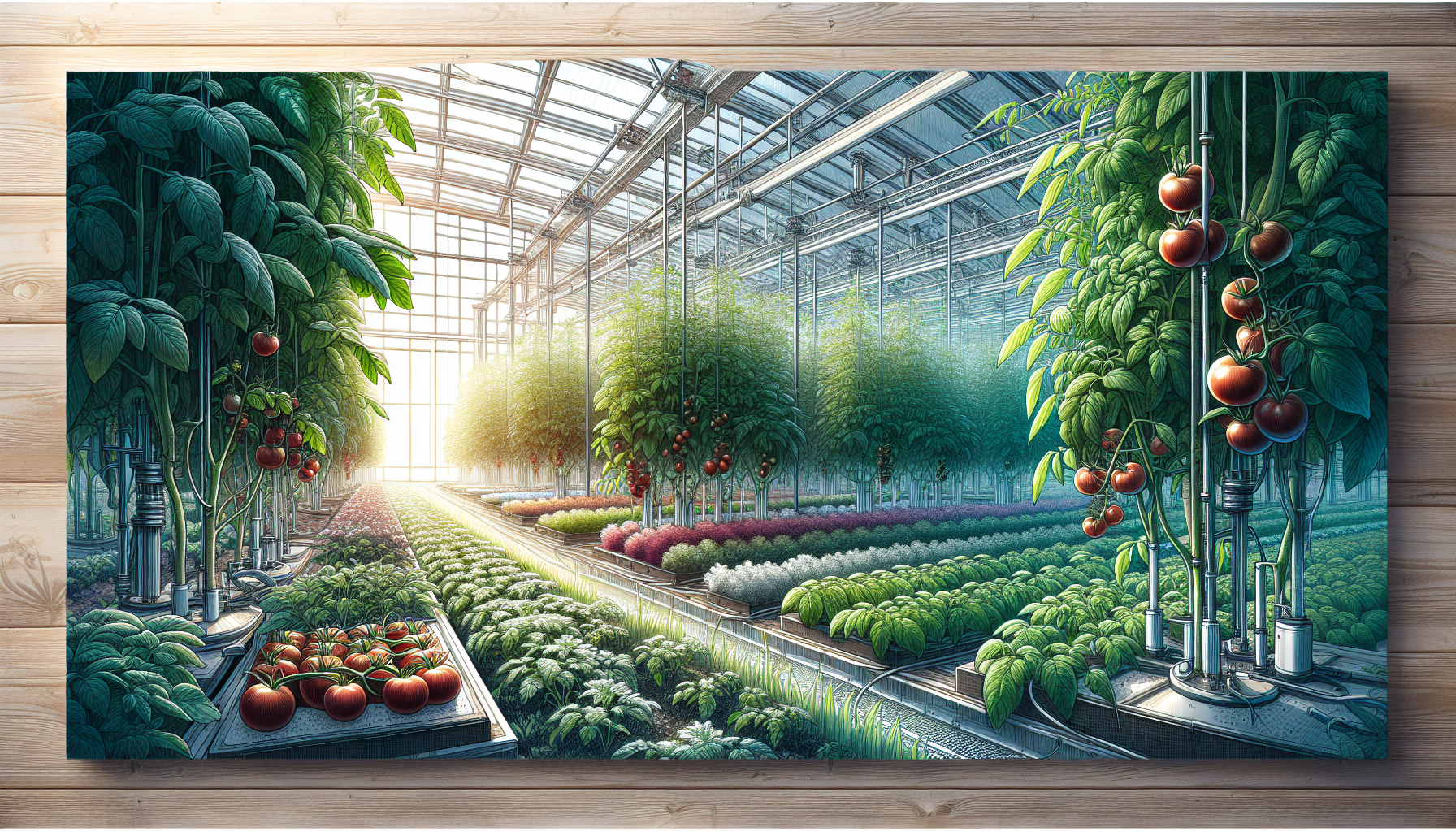
When we talk about climate-controlled greenhouses for protected tomato cultivation, it is impossible not to mention the crucial role that municipal governments can play in this scenario! We are facing a unique opportunity to boost local agriculture and ensure food security sustainably. So, how can this be done?
1. Creating Tax Incentives for Greenhouse Installation
One of the first actions that local governments can adopt is to create tax incentives. Imagine if small and micro producers could receive tax discounts or even easier credit lines for purchasing and installing climate-controlled greenhouses! According to the Brazilian Association of Horticulture, installing this type of greenhouse can increase productivity by up to 50%!
These incentives would help not only to reduce initial costs but also make the investment more attractive. This way, we would have more farmers adopting modern agricultural technologies, increasing production, and ensuring significant economic returns. And, of course, this improves the supply of fresh and healthy tomatoes on our table!
2. Implementing Training Programs for Producers
Another important point is training. Municipal governments should implement programs that teach greenhouse cultivation techniques, proper management, and climate control. This not only increases agricultural productivity but also allows producers to feel more secure and confident in their practices!
For example, a study conducted by the Brazilian Agricultural Research Corporation (Embrapa) showed that 70% of farmers who received training manage to improve the quality of their products and increase their sales. In other words, by investing in education, the return for the community is immense!
3. Strengthening Local Food Security with Sustainable Production
Finally, addressing food security is essential. By encouraging the cultivation of tomatoes and other vegetables in greenhouses, municipal governments are promoting more sustainable production. This practice reduces the use of pesticides and uses water resources more efficiently.
Furthermore, with the strengthening of local agriculture, the dependency on external suppliers decreases, and the community becomes more resilient. Imagine a municipality where most of the vegetables consumed are produced just a few kilometers away! This is possible and brings a series of benefits, such as reduced carbon footprint!
Therefore, if municipalities mobilize to adopt these strategies, they will not only be contributing to a more sustainable future but will also be directly supporting their farmers and strengthening the local economy. Without a doubt, a win-win for all!
Join our strategic actions to implement the best solutions in the Brazilian agricultural sector. Our activities, studies, and advanced research cover 20 chains and the 255 segments of the national agro — from grains to sustainable extractivism, passing through horticulture, fruit growing, livestock, and much more.
The Innovation for Brazil to Produce More series was developed precisely to identify and implement the best solutions available in Brazil and worldwide, across the 255 segments of the agricultural sector — with accessible technical language, updated data, and a focus on practical results for producers, suppliers, governments, and marketers.
Opportunities for Small Agricultural Product Traders
If you are a small trader thinking about investing in fresh tomatoes, you are on the right track! Besides being an excellent source of nutrients, such as vitamins A and C, tomatoes are highly sought after. According to Embrapa, tomatoes are one of the most consumed fruits in Brazil, with an average production of 4.5 million tons per year. This shows that there is a very promising market! Let’s explore some opportunities you can take advantage of!
1. Highlighting Nutritional Benefits
Tomatoes are known for their health benefits. They help in the prevention of heart diseases and are great for the skin. So when selling tomatoes, don’t forget to highlight these points! You can create informative labels or post on social media about the nutritional properties of your product. This attracts health-conscious consumers and helps differentiate your product in the market.
2. Marketing Messages Focused on Local Products
A good marketing strategy is to highlight that your tomatoes come from local production. This appeals to the appreciation of regional products and sustainability. Use phrases like “fresh tomatoes straight from our climate-controlled greenhouse” or “support small producers, consume local.” This not only creates a bond with the community but is also great for your image!
3. Efficient Distribution Network
Having a fast and efficient distribution network is essential to ensure the quality of the tomatoes. Consider partnerships with local restaurants and regional markets. Additionally, you can explore social media and digital platforms to sell directly, increasing your reach and reducing costs. Have you heard of delivery services? This can be a great opportunity to offer an exclusive service in your area!
Establishing these strategies can make all the difference in your journey as a small trader. And don’t forget: innovation in cultivation, like greenhouses and agricultural technology, can increase productivity and improve the quality of your product, making your offer even more irresistible.
The future of tomato cultivation is bright, and the opportunities for small traders are more alive than ever! If you want to keep learning about how to maximize your cultivation and explore new market possibilities, be sure to check out [Best Solutions for Tomatoes](/blog/tomate). Together, we can explore all facets of Brazilian agriculture! Let’s move forward!
How Does a Climate-Controlled Greenhouse for Tomato Cultivation Work?
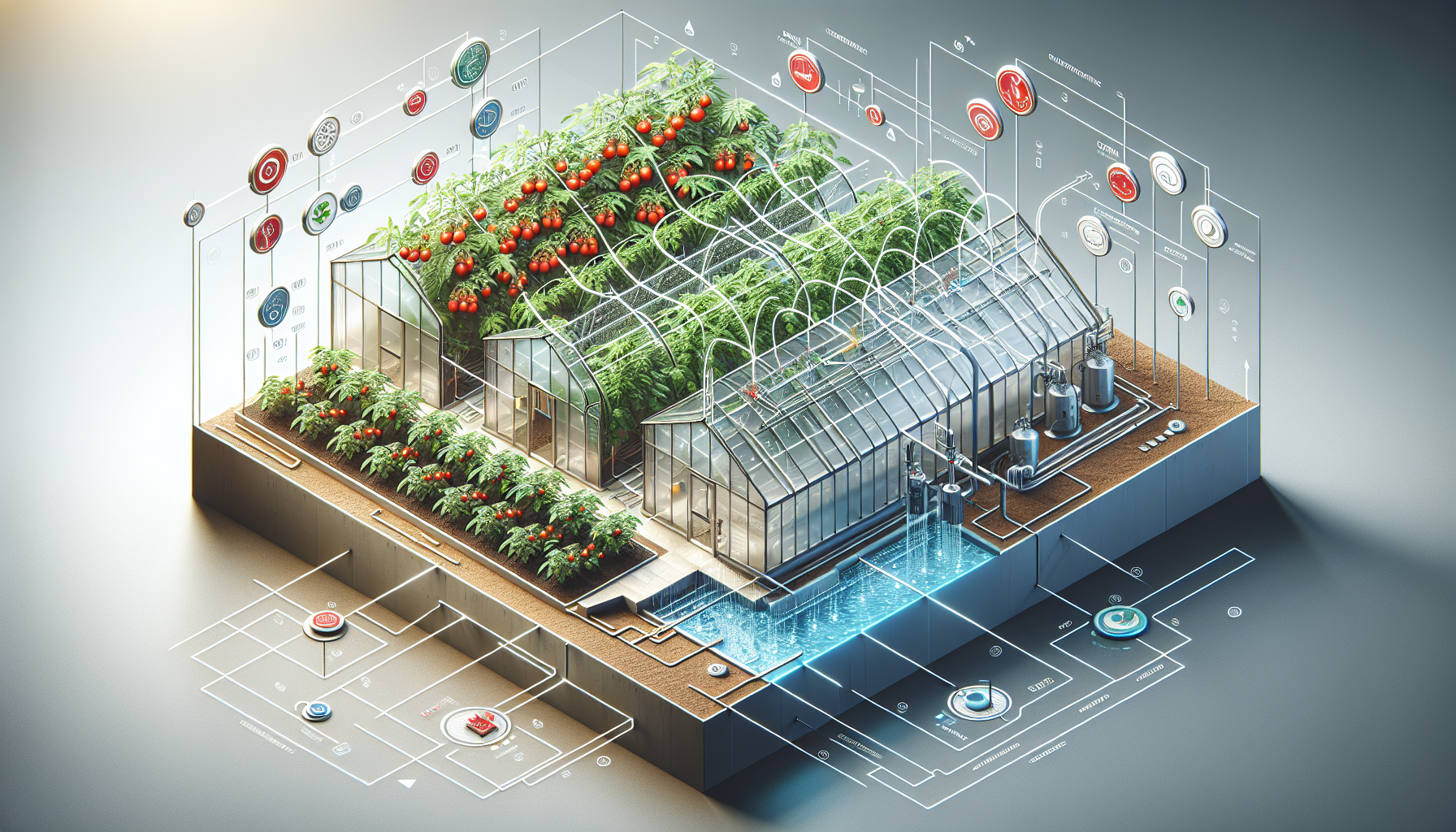
Have you ever stopped to think about how a climate-controlled greenhouse can transform tomato cultivation? This incredible equipment controls the temperature and humidity, creating an ideal environment for the healthy and productive growth of this popular fruit. In this section, we will explore the main mechanisms that make this protected cultivation a beneficial option, while also leveraging the latest agricultural technologies.
The first great benefit of climate-controlled greenhouses is climate control. This means that, regardless of external conditions, we can maintain the ideal temperature for tomato cultivation, which is around 22 to 26 degrees Celsius during the day and about 18 degrees at night. Additionally, humidity should be controlled between 60% and 80% to avoid issues like mold, which can ruin a crop in no time. According to Embrapa, greenhouse technology can increase agricultural productivity by up to 80%! That’s a lot more tomatoes on everyone’s table!
Another important factor of greenhouses is that they allow for cultivation throughout the entire year, avoiding the seasonality that affects production. With greenhouses for vegetables, such as tomatoes, producers can have continuous harvests, thus ensuring a steady income flow. Imagine cultivating this delight in winter and still having fresh tomatoes to sell! This not only increases food security but also opens incredible opportunities for agriculture. The market is always looking for fresh and quality products, and those who can provide this have the upper hand!
Furthermore, climate-controlled greenhouses integrate efficient irrigation systems that optimize water use, a resource that is becoming increasingly scarce. Systems such as drip irrigation ensure that plants receive the exact amount of water they need without waste. Studies indicate that this technology can reduce water consumption by up to 50%! This is a significant advancement concerning sustainability in agriculture, especially for micro and small producers who often face challenges with limited resources.
Finally, the combination of all these factors — climate control, year-round cultivation, and efficient irrigation — results in a considerable increase in the quality of tomatoes and in agricultural productivity overall. With these greenhouses, it is possible to grow more flavorful tomatoes, which can stand out in the market, attracting the attention of small traders and local suppliers.
If you’re venturing into tomato cultivation or are interested in this sector, don’t forget to check out our [Best Solutions for Tomatoes](/blog/tomate) and other innovations that can help improve your production even further.
Now that you know more about how a climate-controlled greenhouse works, how about delving into the opportunities this technology offers to small producers? It’s time to innovate in cultivation!
“Join our strategic actions to implement the best solutions in the Brazilian agricultural sector. Our activities, studies, and advanced research cover 20 chains and the 255 segments of the national agro — from grains to sustainable extractivism, passing through horticulture, fruit growing, livestock, and much more.”
“The Innovation for Brazil to Produce More series was developed precisely to identify and implement the best solutions available in Brazil and worldwide, across the 255 segments of the agricultural sector — with accessible technical language, updated data, and a focus on practical results for producers, suppliers, governments, and marketers.”
5 Benefits of Tomato Cultivation in Greenhouses
If you are thinking about cultivating tomatoes, climate-controlled greenhouses present an amazing solution! They not only protect the plant but also enhance its productivity. Here are five benefits you cannot ignore when opting for this cultivation method.
1. Effective Climate Control
One of the biggest challenges in agriculture is dealing with climate variations. Climate-controlled greenhouses allow for internal environment management, maintaining the temperature and humidity at ideal levels for tomato growth. This agricultural technology is a real game changer, folks! According to Embrapa, proper climate control can increase productivity by up to 30%!
2. Lower Exposure to Diseases
Plants grown in greenhouses are much less susceptible to pests and diseases since they are protected from the external environment. This is a huge relief, as many pests can destroy a harvest in record time. Additionally, controlled environments allow for the implementation of more effective management practices, further reducing contamination risks.
3. Year-Round Production
Did you know that a climate-controlled greenhouse enables tomato cultivation at any time of the year? This is great news for food security and agricultural sustainability! Estimates indicate that those using greenhouses can have harvests up to 10 months of the year, while outdoor cultivation generally limits production to 4 months. Imagine how much this could increase your income!
4. Reduced Use of Pesticides
If you’re like me, you’re probably concerned about the excessive use of pesticides in food. The good news is that with greenhouse cultivation, the need for pesticides is significantly reduced due to protection against pests and diseases. A study from the Federal University of Viçosa indicates that this can reduce the use of agrochemicals by up to 60%! This is not only good for us but also for the environment!
5. Increased Product Value in the Market
In addition to all this, tomatoes grown in greenhouses have a higher market value. With healthier and better-condition harvests, you can sell your products at a higher price. Approximately 70% of consumers are willing to pay more for food they know is produced with fewer chemicals and greater care, according to data from the Brazilian Association of Supermarkets. This means your business can profit significantly from this experience.
So, folks, cultivating tomatoes in climate-controlled greenhouses is not just a matter of style; it’s an intelligent strategy for those who want to succeed in agribusiness! And if you want more tips on cultivation, check out our [best solutions for tomatoes](/blog/tomate). Also, feel free to explore other relevant methods, such as [aeroponics](/blog/aeroponia1) and [sports nutrition for beginners](/blog/nutricao-esportiva-para-iniciantes). Let’s make a difference together in this field!
Join our strategic actions to implement the best solutions in the Brazilian agricultural sector. Our activities, studies, and advanced research cover 20 chains and the 255 segments of the national agro — from grains to sustainable extractivism, passing through horticulture, fruit growing, livestock, and much more. The Innovation for Brazil to Produce More series was developed precisely to identify and implement the best solutions available in Brazil and worldwide, across the 255 segments of the agricultural sector — with accessible technical language, updated data, and a focus on practical results for producers, suppliers, governments, and marketers.
Conclusion
In conclusion, the climate-controlled greenhouse proves to be an essential tool for tomato cultivation and offers a world of opportunities for farmers, especially micro and small producers. According to recent data, the use of greenhouses can increase productivity by up to 50%! This is significant for those looking to achieve better results and ensure food security in Brazil.
However, before taking the next step and investing in this agricultural technology, it is crucial to consider aspects such as climate control, efficient irrigation, and sustainability in agriculture. Each of these variables can have a major impact on the results of your protected cultivation. Therefore, research thoroughly. Gather information from local suppliers and study the best greenhouse cultivation practices to maximize your results.
Ready to boost your tomato cultivation? Try climate-controlled greenhouses and take advantage of all the benefits they offer! With innovation in cultivation and the right support, you can transform your production and stand out in the market! Let’s go together on this journey of agricultural growth!
Frequently Asked Questions
What are the benefits of climate-controlled greenhouses for tomato cultivation?
Climate-controlled greenhouses offer total control over temperature and humidity, creating an ideal environment for tomato growth. It is estimated that using this system can increase production by up to 50%, in addition to protecting plants from pests and diseases.
What is the best temperature to grow tomatoes in greenhouses?
The ideal temperature for growing tomatoes in greenhouses ranges from 20°C to 25°C during the day and between 15°C and 18°C at night. Maintaining this range ensures healthy growth and high-quality fruits.
How to install a climate-controlled greenhouse for tomatoes?
To install a climate-controlled greenhouse, choose a sunny location and make a solid foundation. The structure must allow for ventilation. Next, install the appropriate heating and cooling systems, as well as automated irrigation, which are essential for efficiently managing climate conditions.
Is it worth investing in a climate-controlled greenhouse? What are the costs involved?
Investing in a climate-controlled greenhouse may seem expensive initially, with costs ranging from R$ 10,000 to R$ 30,000, depending on the size and technology. However, the return on this investment comes from increased production and the quality of tomatoes, which can result in significant profits.
Where can I find suppliers of climate-controlled greenhouses for tomato cultivation?
You can find suppliers of climate-controlled greenhouses for tomatoes on specialized websites, agricultural fairs, and gardening product stores. Additionally, it’s always good to research recommendations and reviews from other farmers to ensure a good purchase!
Get the latest updates in your inbox
Subscribe to our newsletter and stay up to date with the latest innovations and technologies for agriculture.
We respect your privacy. Unsubscribe anytime.